One agreed schedule, structured engineer visits and useful reporting—backed by reactive support when something unexpected happens.
01
We agree the right visit frequency
We review the size of your facility, equipment mix, usage levels, operating hours, service history and budget. From there, we recommend monthly, quarterly, twice-yearly or annual visits—with the schedule adjusted if your needs change.
02
Each visit follows a structured inspection
Our engineer checks equipment condition and safety, fasteners, cables, belts, pulleys, bearings and moving components. We clean and lubricate where required, make appropriate adjustments and identify developing faults or parts that need attention.
03
You receive a clear report afterwards
After every visit, you receive a digital service report recording the equipment inspected, work completed, photographs, serial numbers where available, condition findings and prioritised recommendations for repairs or parts.
04
Reactive repairs work alongside the plan
The programme reduces avoidable faults, but it does not lock you into waiting for the next visit. If equipment fails between services, contracted customers receive priority support. We diagnose the issue, confirm any additional cost and complete the repair once approved.
Detailed servicing
What each visit includes.
Every planned visit follows a practical inspection and maintenance checklist suited to the equipment in your facility.
Cardio equipment
Safety inspection
Functional testing
Belt and deck inspection
Drive system inspection
Tension adjustments where required
Lubrication where applicable
Cleaning of accessible internal components
Inspection of power cables and plugs
Console and electronics check
Reporting of worn or defective parts
Pin loaded equipment
Cable inspection
Pulley inspection
Weight stack alignment
Guide rod cleaning and lubrication
Bolt and fastener tightening
Safety stop inspection
Functional testing
Plate loaded equipment
Bearing inspection
Pivot point lubrication
Fastener tightening
Frame inspection
Safety mechanism checks
Functional testing
Static equipment
Structural inspection
Bolt tightening
Upholstery inspection
Safety checks
Rack and storage inspections
Ongoing support
Included within the agreement.
Preventative maintenance visits at the agreed frequency.
Full service reports following every visit
Asset condition reporting
Priority response for breakdowns
Discounted repair labour rates where agreed.
Equipment lifecycle recommendations
Telephone and technical support
Anonymised maintenance case study
Wear found. Work completed. Equipment returned to service.
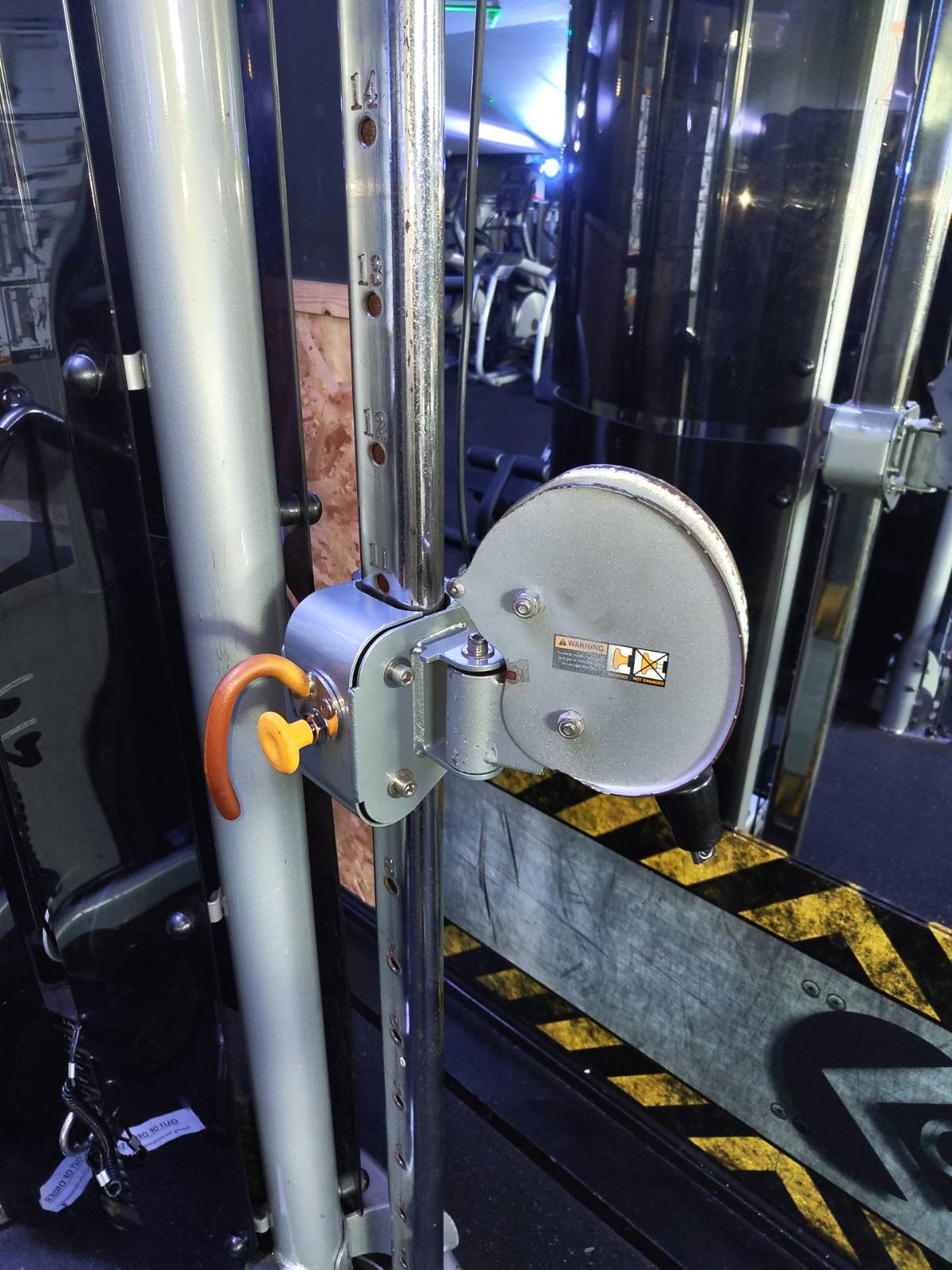
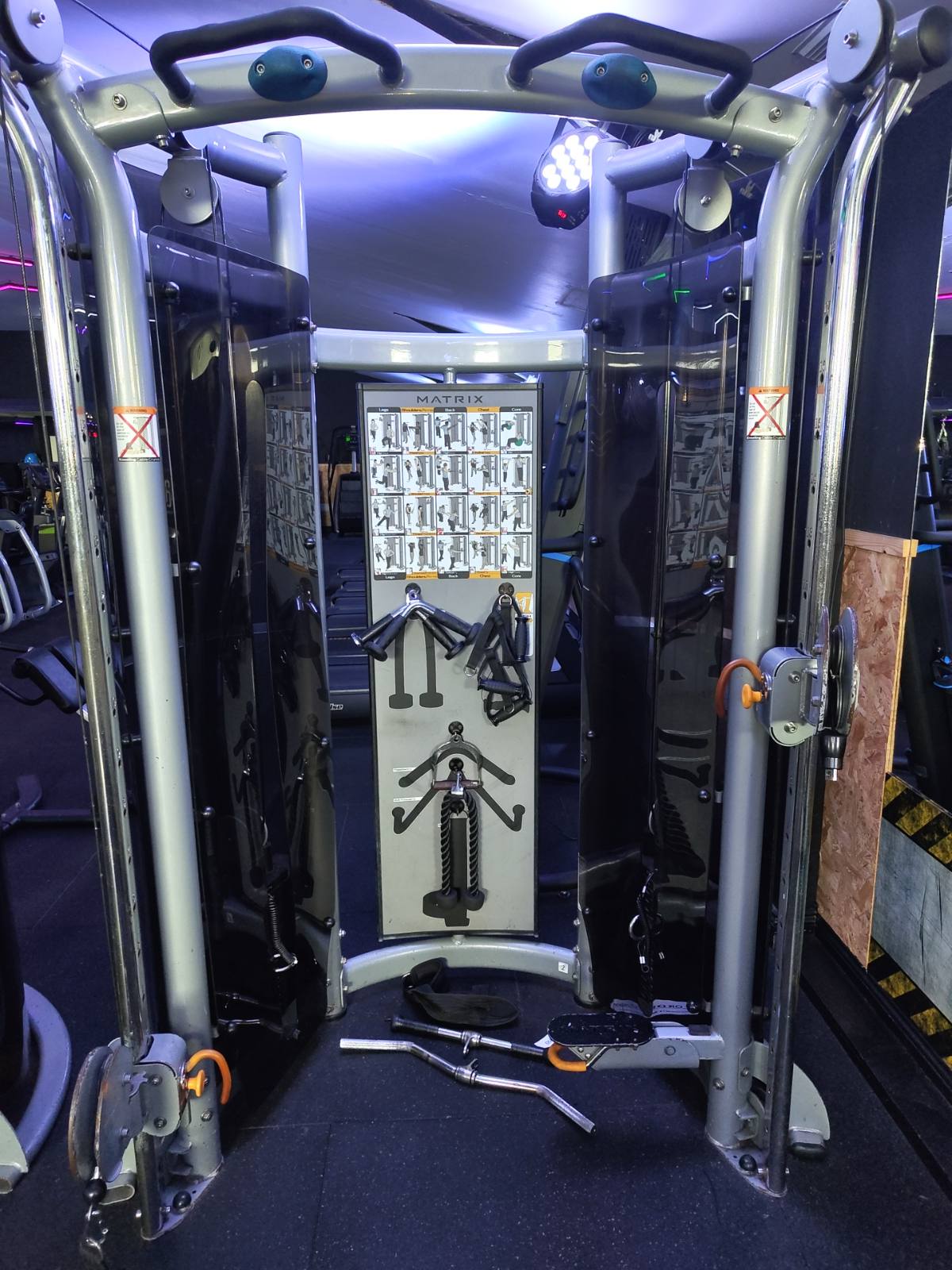
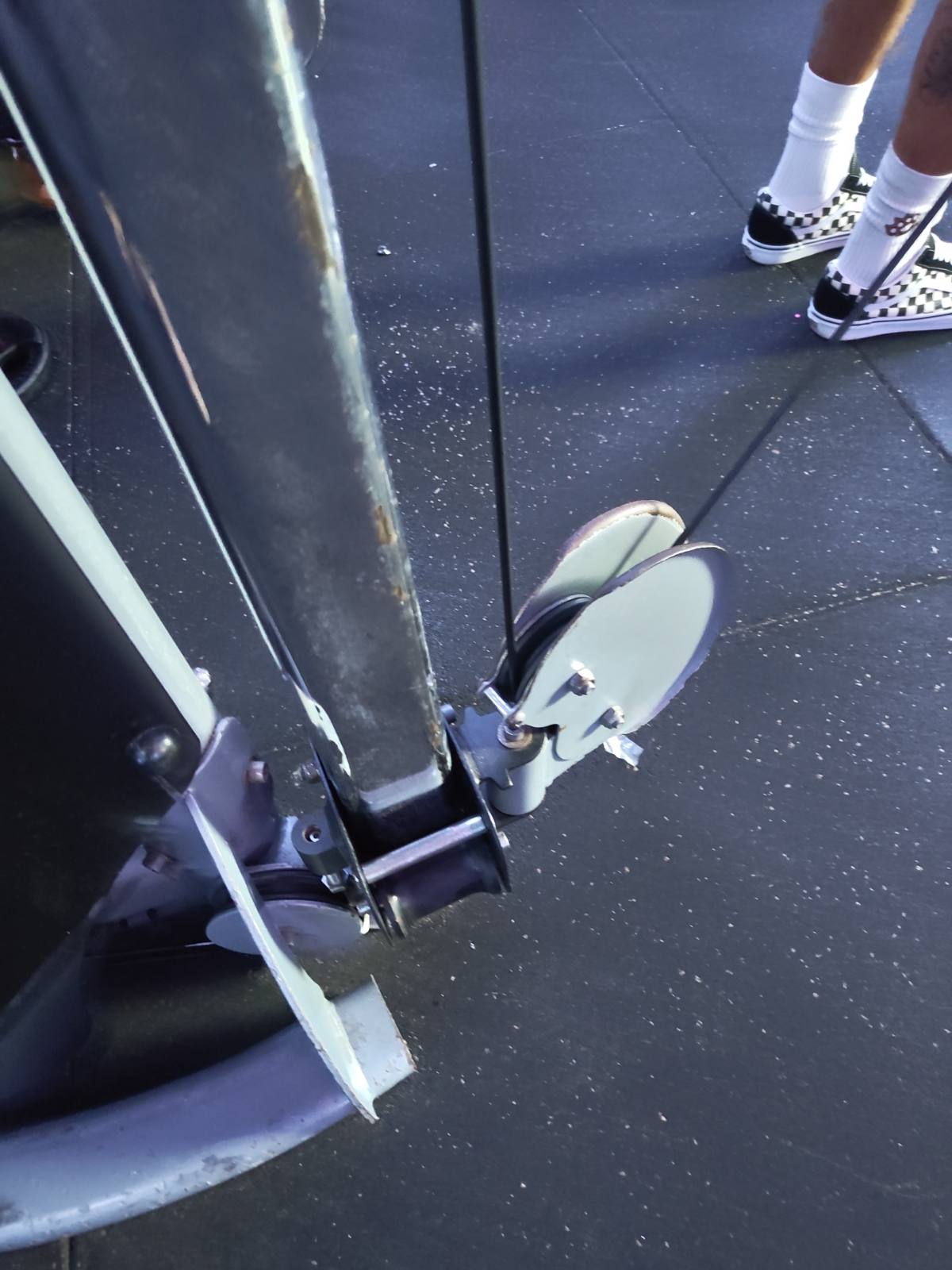
During a planned maintenance visit, our engineer identified two developing faults across dual pulley equipment and resolved both during the visit.
Damaged slider identifiedEquipment function-testedLoose cable identified and refitted
01 / Faults found
Broken slider and loose cable
A broken slider was found on one dual pulley machine. On a second machine, the cable had come loose and required refitting.
02 / Work completed
Replacement and refitting
The replacement Matrix slider was installed, and the loose cable was correctly refitted without needing an additional cable.
03 / Result
Both faults resolved during the visit
The machines were checked following the work and returned to operational use. The customer received a digital report documenting the findings, actions and supporting photographs.
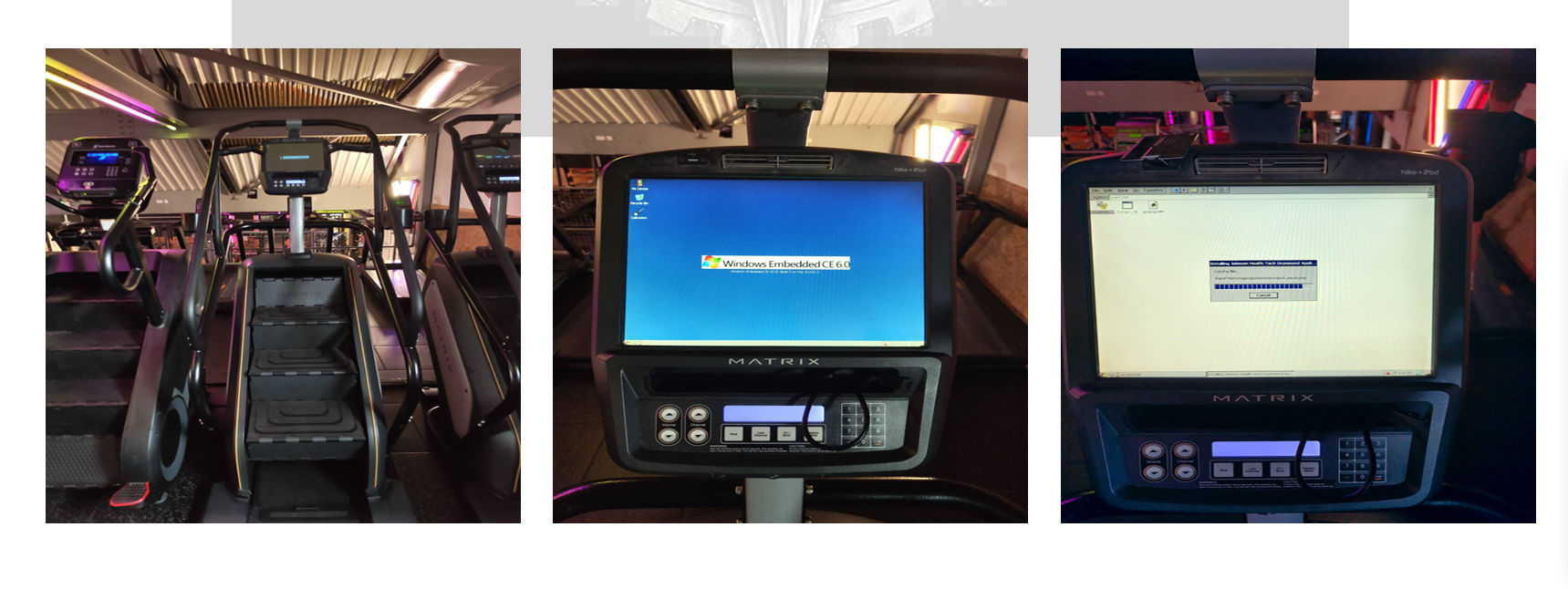
A Matrix cardio console was unable to operate correctly because it required new software. The fault was addressed on site and the completed work was documented.
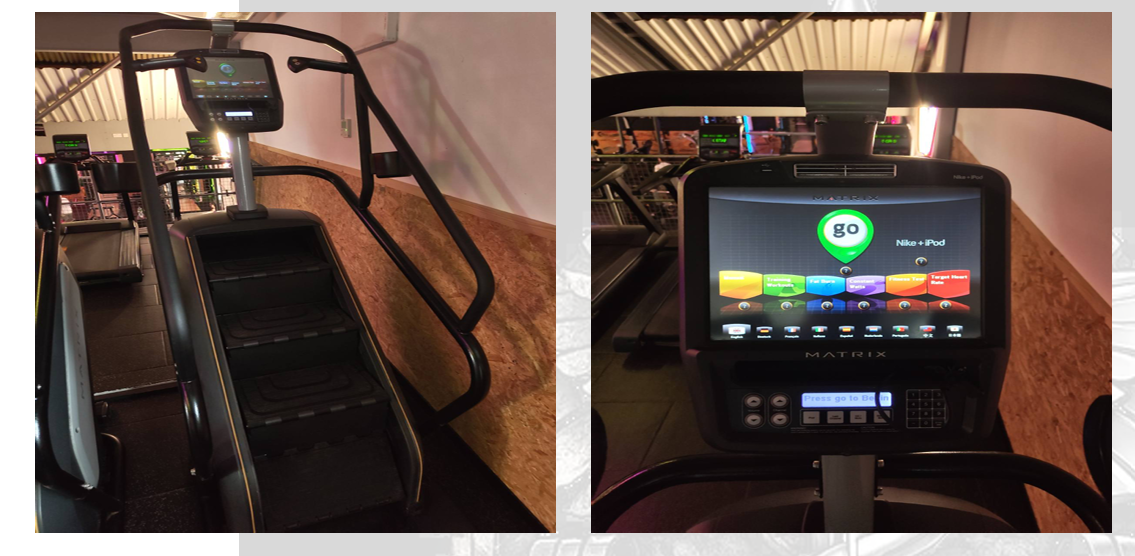
Diagnosis and software uploadConsole operating following the update
Condition foundRequired new software
The console was assessed and identified as requiring an updated software installation.
Work completedSoftware uploaded
The required software was uploaded to the machine and the console was restarted.
ResultOperating interface restored
The console loaded into its normal operating interface, allowing the equipment to be returned to use.
Anonymised repair case study
Damaged wheel found. Replacement installed. Power sled restored.
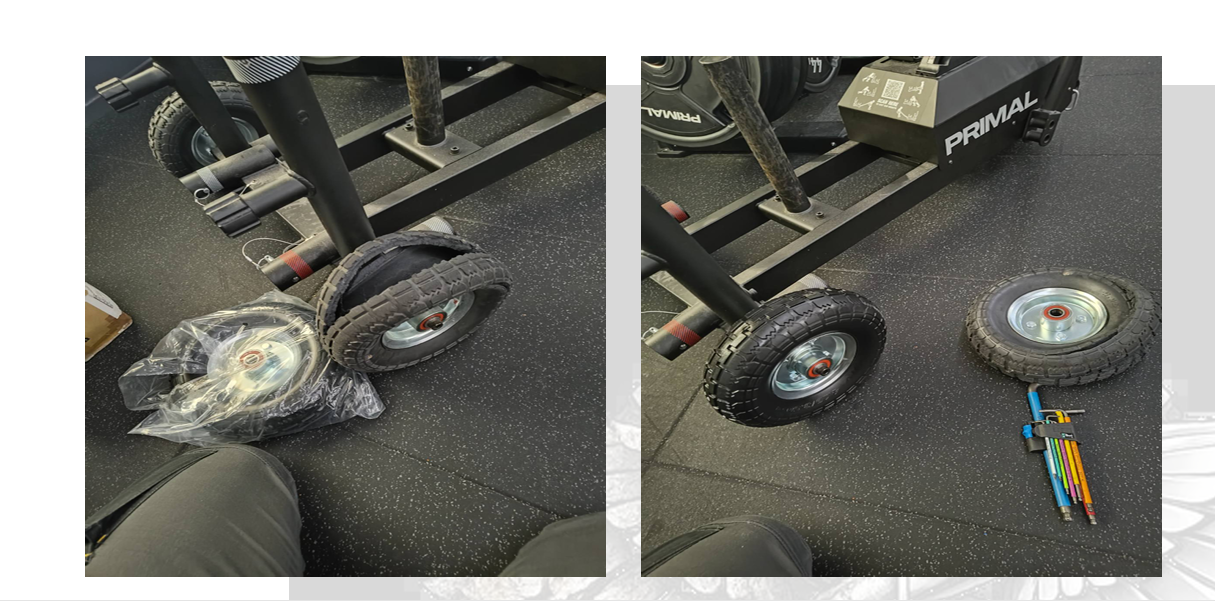
A damaged wheel was identified on a Primal Strength resistance power sled. The correct replacement part was fitted and the completed repair was documented.
Damaged wheel and completed replacement
Condition foundDamaged wheel
The power sled was inspected and a damaged wheel was identified.
Work requiredWheel replacement
The damaged wheel required removal and replacement.
Parts neededReplacement wheel
The correct replacement wheel was supplied for the repair.
NotesWheel installed
The new wheel was fitted and the Primal Strength resistance power sled was returned to service.
See the standard before you commit
View an anonymised maintenance report.
See an example of the inspection record, equipment findings, priorities and recommendations a customer can receive after a planned visit.